
Every parent encounters it. Not in a dramatic way. Not with warning signs or alarms. Just two words… spoken quietly. almost casually.
“I can’t.”
It might surface during homework. Before trying something new. Right before stepping into the unknown. Most people brush it off.
They’re tired.
They’re nervous.
They’ll figure it out.
But here’s what most parents never realize: When a child says “I can’t,” they’re not talking about the moment. They’re defining who they believe they are.
Identity Is Built in Moments Like This
A child’s future isn’t shaped by one big decision. It’s shaped by repeated internal messages. Every time “I can’t” goes unchallenged, a boundary is drawn. Every time fear wins, a door quietly closes. Every time they retreat, their world gets a little smaller. Not because they aren’t capable. But because they stop believing they are.
How Kids Lose Freedom Without Anyone Noticing
When adults lose freedom, it’s visible. Stress. Burnout. Pressure. Feeling trapped. For kids, it’s invisible. It looks like hesitation. Avoidance. Choosing comfort over growth. Not raising their hand. Not trying out. Not speaking up when something feels wrong. And none of it seems serious—until years later, when confidence is gone and fear feels permanent. This is how potential disappears. Quietly. Repeatedly. Over time.
Why Self-Doubt Multiplies Faster Than Confidence
Self-doubt doesn’t fade on its own. It compounds. Avoid one challenge, and the next feels bigger. Skip one opportunity, and the next feels riskier. Say “maybe later” enough times, and later never comes. Parents eventually ask: “Where did my confident child go?” The truth is—they didn’t disappear. They adapted to doubt.
The Mirror Parents Can’t Ignore
This is the hard part. Because when you watch your child hesitate… you often see your younger self. The risks you didn’t take. The moments you stayed silent. The confidence you never learned how to build. Most adults aren’t lacking ability.
They’re living with untrained confidence. Now you have a choice:
Pass that pattern on—or interrupt it.
Confidence Isn’t Attitude—It’s Freedom
Confidence isn’t being loud. It isn’t pretending you’re fearless. Confidence is: freedom. Freedom to try without needing guarantees.
Freedom to speak without approval.
Freedom to step forward instead of waiting to be pushed.
When kids lose confidence, they lose options. And when options disappear, so does their future vision.
Confidence Is Built—Not Talked Into Existence
Here’s the breakthrough most parents need to hear: Confidence is trained.
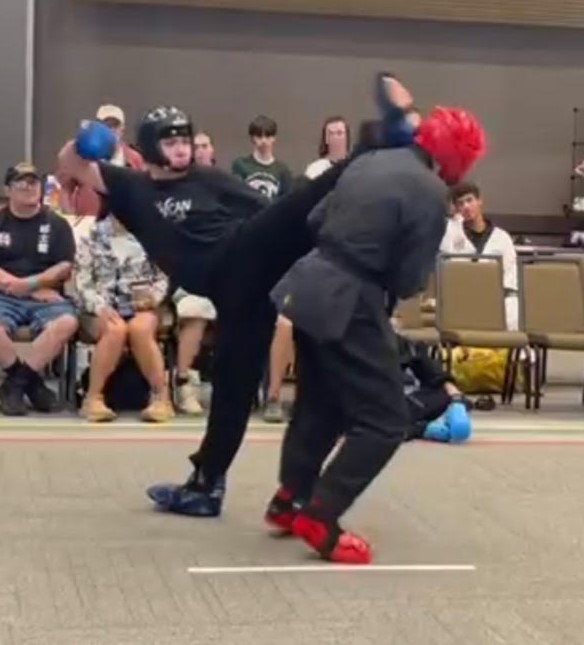
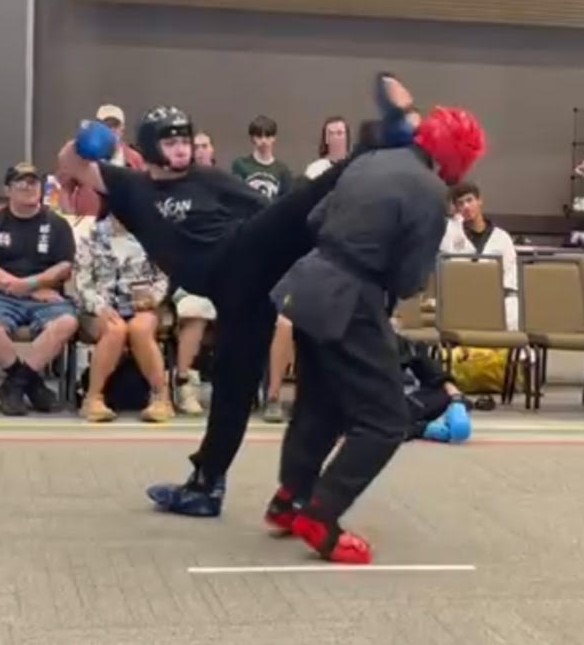
It’s built through action. Through structure. Through repeated experiences of doing hard things and surviving them. At Sidekicks, we don’t hope confidence shows up.
We engineer it. Every class is designed to replace hesitation with action. Fear with momentum.
“I can’t” with “Watch me.”
The shy child finds their voice. The hesitant child stands taller. The unsure child discovers strength they didn’t know existed. Momentum changes identity.
What Real Transformation Looks Like
We’ve seen kids walk in withdrawn and uncertain. Shoulders forward. Eyes down. Voice barely audible. Months later? They lead. They speak clearly. They try—even when it’s uncomfortable. One parent said:
“My child used to shut down the moment something felt hard. Now they lean in. That shift changed everything.”
Another told us:
“I realized my child would never see themselves the same again—and that’s when I knew their future had changed.”
Confidence doesn’t just change behavior. It changes trajectory.
Waiting Feels Safe—But It’s the Most Expensive Choice
Parents often think, “They’ll grow out of it.” They don’t. Kids don’t grow out of self-doubt. They grow into it—unless something interrupts the cycle. Waiting allows fear to harden. Comfort to become habit. Avoidance to become identity. Building confidence later is possible—but it’s harder.
Identity Is Forged Through Action
At Sidekicks, we don’t teach moves. We build mindset. Every class reinforces powerful internal truths:
- I am capable
- I am strong
- I can handle hard things
- I don’t quit when it gets uncomfortable
When a child changes how they see themselves, everything shifts. Posture.
Voice.
Choices.
Confidence stops being something they try to summon. It becomes who they are.
What Parents Can Do Right Now
- Listen for the language
When you hear “I can’t,” pause. Ask: “What happens if you try?” - Model growth
Let your child see you face discomfort. Confidence is learned by example. - Create a system for courage
Kids need a place where effort is expected, failure is safe, and growth is trained. That’s what Sidekicks is built for.
Imagine One Year From Today
Your child steps forward instead of back. They try before fear can stop them.
They trust themselves—even when things feel hard. That’s what happens when confidence is built on purpose.
Final Thought: Don’t Let Their World Shrink
Every child deserves the freedom to choose who they become. But freedom isn’t given—it’s built. Built through action. Built through structure. Built through belief. The cost of doing nothing is quiet—but massive. The reward of acting now lasts a lifetime. sidekickswellness.com
