
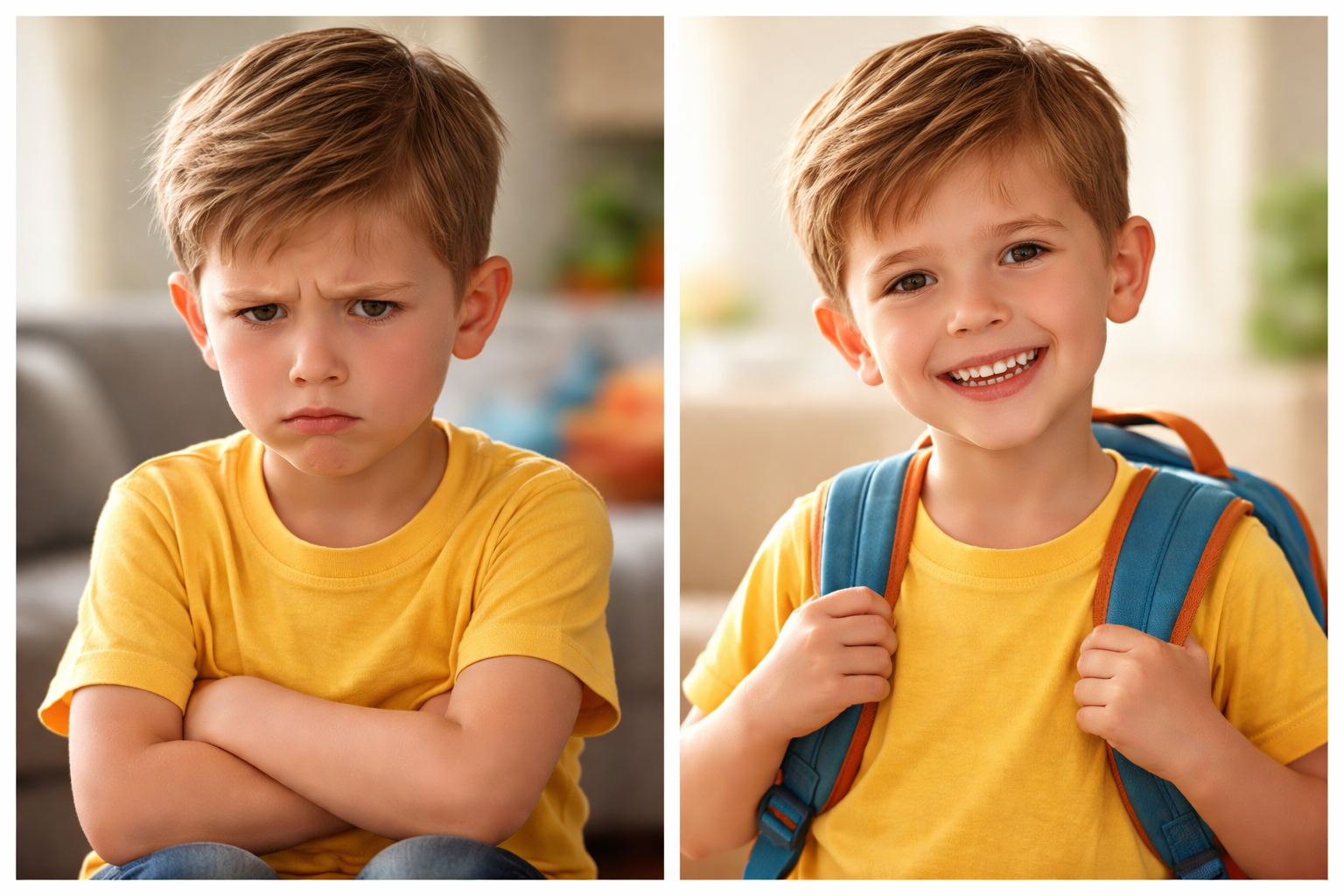
Parenting is not easy, and there is no one way to parent, especially… with a child who feels things deeply can be both a gift and a challenge. Kids who get emotional easily often experience the world more intensely, which can make everyday situations overwhelming for them — and stressful for parents. The good news is that with the right strategies, you can help your child manage their feelings, build confidence, and respond calmly to life’s ups and downs.
The first step is to validate their emotions before trying to fix the situation. Instead of correcting or scolding right away, acknowledge what they are feeling. Saying something like, “I see you’re really frustrated,” or “That felt unfair, didn’t it?” shows your child that they are understood. When emotions are recognized first, children are more likely to calm down and listen.
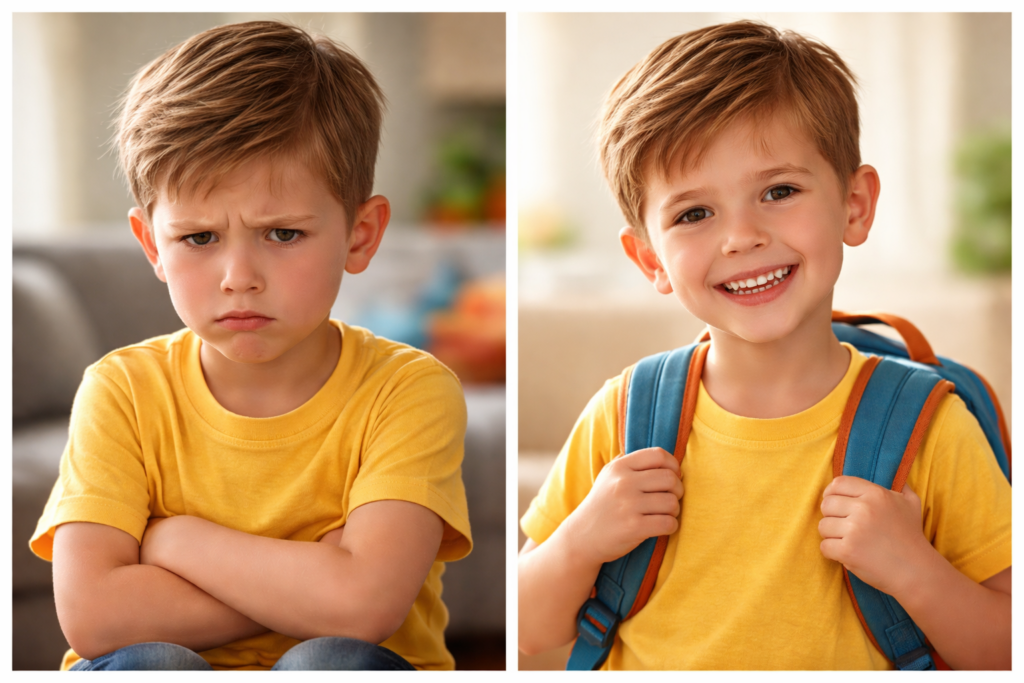
Teaching children an emotional vocabulary is another key step. Many kids explode because they don’t have the words to describe how they feel. Instead of simply labeling a feeling as “mad,” help them identify more specific emotions like frustration, embarrassment, disappointment, or feeling overwhelmed. Being able to name their emotions makes them easier to manage.
It’s also important to practice calm-down strategies when your child is calm, rather than during a meltdown. Techniques such as taking five deep belly breaths, counting backward from ten, practicing “smell the flower, blow out the candle” breathing, or having a quiet reset spot can become second nature when practiced ahead of time. The reset space isn’t a punishment; it’s a safe place to regroup.
Creating predictable routines and clear expectations can make a big difference for emotionally reactive children. Knowing what to expect reduces anxiety and helps prevent outbursts. Even giving simple warnings before transitions, like “Five more minutes, then we leave,” can make a routine change much easier to handle.
It’s crucial to separate the behavior from the child. Correcting the action without labeling the child protects their self-esteem. Instead of saying, “You’re being dramatic,” try, “Throwing things isn’t okay. Let’s find a better way to handle that feeling.” This teaches appropriate behavior without making your child feel like something is wrong with them.
After your child has calmed down, it’s helpful to coach problem-solving. Ask questions like, “What could we do differently next time?” or “What would help you if that happens again?” This encourages independence, emotional strength, and practical coping skills.
Children also learn by example, so modeling emotional control is powerful. If you stay calm during stressful situations and even verbalize your coping strategies, such as saying, “I’m feeling frustrated, so I’m going to take a deep breath,” your child sees healthy emotional regulation in action.
Building confidence through controlled challenges like team sports, martial arts, or structured classes helps children handle strong emotions. Programs inspired by Sidekicks Karate focus on discipline, self-confidence, and emotional control, teaching kids to respond rather than react, which can reduce emotional outbursts over time.
It’s also important to watch for triggers that might cause heightened emotions. Hunger, fatigue, overstimulation, embarrassment, and transitions can all make kids more likely to overreact. Sometimes small adjustments, like a snack or an earlier bedtime, can prevent emotional flare-ups entirely.
Finally, praise emotional wins when they occur. Notice when your child handles a situation better than before, such as taking a deep breath instead of yelling, or managing disappointment with maturity. Positive reinforcement encourages them to repeat these behaviors and builds emotional resilience over time.
Being emotional isn’t a weakness. In fact, it often indicates high empathy, strong passion, and deep sensitivity. The goal isn’t to make a child less emotional — it’s to help them manage their feelings with confidence. With patience, structure, and practice, you can guide your child toward becoming a confident, resilient, and emotionally aware individual who thrives both socially and personally.
Interested in helping your child, at Side Kicks We help kids to be strong and in control of themselves, Try our Free Trial below.
