
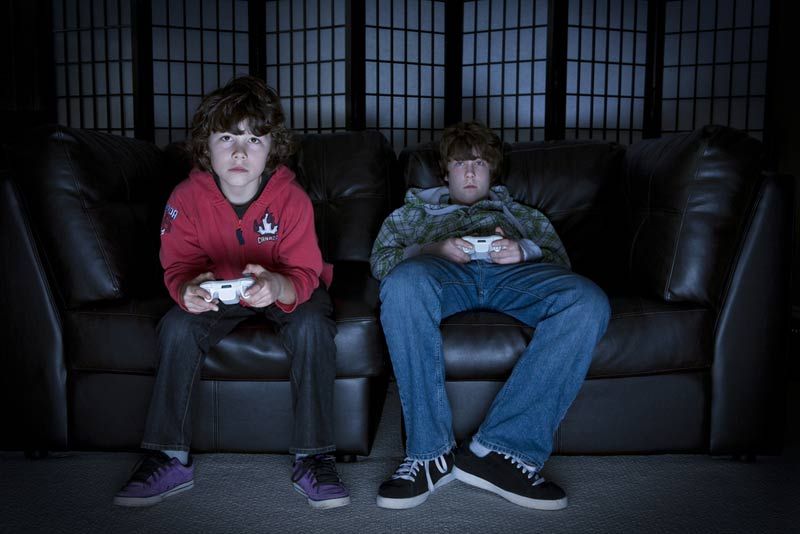
Video games are more popular than ever, and while they can be fun and even educational in moderation, excessive or problematic gaming can have real effects on a child’s developing brain—especially the frontal lobe. This part of the brain is responsible for decision-making, emotional control, focus, and impulse regulation. When gaming becomes extreme, these areas can be negatively impacted.
Below is a breakdown of how gaming affects the brain, what parents should know, and how Side Kicks Karate provides a powerful, healthy balance in today’s screen-heavy world.
How Video Games Impact the Frontal Lobe
1. Reduced Frontal Lobe Development
Research shows that excessive gaming (10+ hours per day) is linked to less-developed white matter in the frontal lobe.
This can affect:
- Impulse control
- Emotional regulation
- Reward processing
- Personality development
This doesn’t mean all gaming is harmful—but overdoing it can interfere with healthy brain growth.
2. Heightened Stress Response
Intense gaming can trigger the body’s fight-or-flight response, increasing cortisol and lowering serotonin.
High cortisol over time can:
- Damage mood stability
- Reduce attention span
- Increase irritability
- Make self-control more difficult
This happens because the frontal lobe is highly sensitive to chronic stress.
3. Decreased Brain Activity Over Time
When a child first plays a game, many brain regions show high activity.
But over time, as gaming becomes repetitive and “automatic,” certain areas decrease in activity, making the brain less engaged — especially compared to physical or hands-on activities.
4. Structural Brain Changes
Studies involving long-term or violent video game play have found:
- Reduced gray matter
- Reduced white matter density
- Changes in areas linked to emotional regulation and aggression
These changes appear more often in children who game excessively without breaks, routines, or physical activity.
5. Impaired Executive Function
Executive functions include:
- Planning
- Problem solving
- Self-control
- Social awareness
High gaming levels are negatively correlated with these abilities, and kids may struggle with tasks that require patience, discipline, or strong attention.
6. Disrupted Sleep
Gaming—especially late at night—can overstimulate the brain and disrupt:
- Melatonin production
- REM and deep sleep
- Healthy circadian rhythms
Poor sleep directly harms frontal lobe performance, mood, and focus.
Other Important Considerations
Gaming vs. Screen Time
Some effects come from screens in general—not just video games.
Bright lights, fast visuals, and constant dopamine stimulation all contribute to stress and cognitive fatigue.
Content Matters
Not all games affect the brain the same way.
Violent or aggressive games show the strongest link to negative structural brain changes.
Every Child Is Different
A child’s personality, mental health, age, and gaming habits play a role in how strongly these effects occur.
The Good News: Side Kicks Karate Helps Restore Balance
While gaming and screen time can create challenges, Side Kicks Karate offers a powerful, positive counterbalance that strengthens the very areas gaming can weaken.
Here’s how our program supports healthier development:

1. Gets Kids Moving (in a Fun, Structured Way)
Physical activity is one of the best ways to offset the effects of screen time.
Karate helps children:
- Burn energy
- Build strength
- Improve posture
- Enhance coordination
It gives their brains and bodies the movement they desperately need.
2. Builds Focus & Self-Discipline
While gaming overstimulates the brain, karate teaches children to control their focus.
Through drills, forms, and partner work, students learn:
- Concentration
- Patience
- Following commands
- Staying present
These are essential skills for healthy frontal lobe development.
3. Boosts Confidence & Social Skills
Karate provides face-to-face interaction and teamwork. Students learn to:
- Work with partners
- Encourage each other
- Communicate respectfully
- Build real friendships
This boosts confidence—something screens alone can’t offer.
4. Provides a Healthy Outlet for Emotions
Instead of channeling frustration into more screen time, karate gives kids a positive way to:
- Release stress
- Manage emotions
- Build resilience
- Feel proud of their progress
This helps stabilize emotional regulation and reduces the effects of overstimulation.
5. Creates Routine and Healthy Habits
Regular karate classes teach:
- Consistency
- Time management
- Responsibility
These habits naturally reduce gaming overuse and replace it with healthier activities.
6. Encourages Respect & Character Development
Every class reinforces important life skills:
- Respect
- Perseverance
- Patience
- Goal-setting
These values directly counter impulsive or reward-seeking behaviors that excessive gaming can create.
7. Gives Kids a Supportive Community & Positive Mentors
Side Kicks Karate instructors become role models who guide children toward healthier choices.
Kids gain:
- Mentors
- Accountability
- Encouragement
- A community that inspires them
This is something no screen can replace.
Final Thoughts
Video games aren’t the enemy—but excessive gaming can affect a child’s brain in ways parents should understand. The key is balance, and Side Kicks Karate provides exactly that.
We help children develop strong bodies, sharp minds, healthy habits, and positive character—skills that last a lifetime and offset the negative effects of too much screen time.
For more visit us @ wwwsidekickswellness OR (315) 339-3928
